




Sitting is not the villain it sometimes gets painted as. Sitting for eight-plus hours a day, five days a week, with short sleep, processed food, and an hour's commute bolted on — that combination is the villain. Sitting itself is neutral; prolonged still sitting is not.
- 30-min breaks
- Post-lunch walk
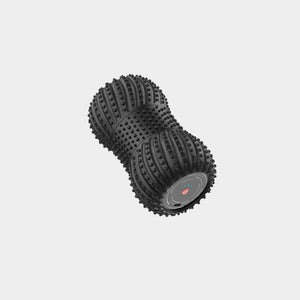
- Ball under desk
- Sit-stand alternation
What follows is what happens to the body and mood during a typical desk-bound day, why it reaches all the way down to the feet, and the interventions that have evidence behind them — not the ones Instagram sells.
What sitting actually does
Two hours into a still-sitting day:
- Hip flexors shorten into their working length. Over months, this biases posterior chain weakness and anterior pelvic tilt.
- Calves lengthen slightly but lose tone. Lower tolerance for load when you do stand up.
- Gluteal activation drops. The largest muscle group in your body is essentially offline for hours.
- Blood pools distally. Circulation slows in the lower limbs.
- Insulin sensitivity decreases. The mechanism behind the post-lunch energy dip.
Over years, this pattern drives the postural and metabolic issues that fill most physiotherapy clinics. Over a single day, it produces the thing you already feel: stiffness, afternoon slump, a cranky neck by 4pm, and a harder first step when you finally stand up.
The mood piece
The mood consequences get less attention but are as real as the physical ones. Prolonged sitting is associated with:
- Higher risk of depressive symptoms. Independent of total exercise; 7+ hours of uninterrupted sitting roughly doubles risk [1].
- Reduced cognitive flexibility in the afternoon. The ability to switch tasks cleanly degrades with each hour seated.
- Lower subjective energy through the day. Even when objective sleep is adequate.
- Increased irritability late afternoon. Which loops back to the stress-pain gain we've discussed elsewhere.
None of this means you should quit your job. It means that breaking stillness matters more than total hours at the desk, and that small changes compound.
Why it reaches your feet
Feet are downstream of hips. Tight hip flexors change your gait when you do walk. A slight anterior pelvic tilt changes heel-strike mechanics. Weak glutes shift load forward onto the ball of the foot during standing. The plantar fascia pays the ancillary tax.
More directly: the fascia doesn't love a sudden transition from 3 hours still to a sharp walk to the kettle. If you already have PF, the first step after a long sit can rival the morning first step in intensity. This is the same post-static dyskinesia we cover in our piece on morning plantar fasciitis pain — just at a smaller scale, dozens of times per day.
“If you're ever going to have one sustained recovery habit, make it this one: stand up every 30 minutes, move for 90 seconds, sit back down. Not glamorous. Transformative.”
The fixes that actually help
In descending order of effect-per-effort:
- Break stillness every 30 minutes. Stand up, walk 20 steps, do 5 calf raises, sit back down. 90 seconds. Non-negotiable.
- Walk for 10-15 minutes after lunch. Covers the glucose and mood problem in one shot.
- Use a sit-stand desk — if you have one. Alternate 20 minutes standing, 40 sitting. Don't stand all day; that creates its own problems.
- Put something under your feet under the desk. A rolled towel or a small ball to roll the fascia gently during long tasks.
- Actual walking meetings. Not just tokenism — for 1:1 discussions under 30 minutes, walking beats sitting on almost every metric.
If you do only the first two, you will feel better within a week.
If your job won't change
Many desk jobs are genuinely inflexible — calls, meetings, typing. For those:
- Set a 30-minute repeating alarm, not aspirationally, but actually. Tell colleagues you do this. Most of them will adopt it themselves within a month.
- Keep a tennis ball or lacrosse ball under the desk. Roll your feet gently during reading tasks. Over a week it adds up to a serious fascia session.
- Wear appropriate footwear at the desk. House slippers on cold floors are fine; if you have PF, consider {link('arch support insoles', URL_INSOLES)} in indoor shoes.
- Walk at end-of-call, not end-of-day. A two-minute walk between meetings is worth ten minutes at 6pm when the day has already hardened into you.
- Pair with {link('five-minute resets', '/blogs/recovery-hub/micro-recovery-resets')}. The structure we've already built elsewhere fits well here.
If you are standing all day instead — which cashiers, nurses, and retail workers know intimately — see our why feet hurt after standing all day piece for the mirror problem and its fixes.
References
- Zhai L et al. Sedentary behaviour and the risk of depression: a meta-analysis. British Journal of Sports Medicine, 2015.
- Dunstan DW et al. Breaking up prolonged sitting reduces postprandial glucose and insulin responses. Diabetes Care, 2012.
- Smith L et al. Sedentary behaviour and musculoskeletal pain: a systematic review. Journal of Occupational Health, 2017.


