




Self-massage for foot pain is one of those interventions where the marketing outruns the evidence — and that's a shame, because the evidence for specific techniques done well is actually decent. It doesn't cure plantar fasciitis or regenerate a fat pad. But it reliably reduces pain for hours at a time, improves tissue glide, and buys you a better-tolerated walk to the kitchen the next morning. Used as an adjunct to real rehab, it's one of the cheapest and most immediately useful tools in the toolkit.
- Thumb-walk arch
- Ball roll
- Frozen bottle
- Toes + calf
This piece is a 15-minute routine you can do on a chair, with nothing more than a tennis ball, a small frozen water bottle, and your thumbs. I'll walk through what each technique does, how hard to press, and the handful of times when massage is the wrong thing to reach for.
What massage can and can't do
Honest expectations [1]:
- What it does well: reduces pain intensity in the short term (hours to a day), temporarily increases tissue mobility, eases muscle tension in the foot's small intrinsic muscles, and reduces perceived stiffness.
- What it does modestly: improves overall range of motion at the ankle and toes, especially when combined with stretching.
- What it doesn't do: cure plantar fasciitis, reverse structural changes, heal tendinopathy, or substitute for progressive loading rehab.
What you need
The whole toolkit, in rough order of usefulness:
- A frozen water bottle (500 ml, 12–14 oz) from the freezer.
- A tennis or lacrosse ball. Tennis ball for tenderness, lacrosse ball for more pressure once you're used to it.
- Your hands and thumbs. Don't skip the direct-hand work — it's often the most effective part.
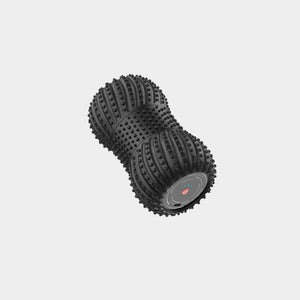
- Optional: a dedicated foot roller with a ridged or ball-studded surface. Nice to have, not required.
- A chair where you can sit with the foot resting comfortably on the other knee.
The 15-minute routine
Five techniques, stacked. Do it once a day, ideally in the evening when the day's load is on the tissue.
- Minutes 0–3 — warm the tissue00–03Both thumbs along the inside arch, pressing firmly but not sharply. Work from the heel toward the ball of the foot and back. The goal is to feel the tissue soften slightly — not to seek out the sharpest pain.
- Minutes 3–6 — thumb-walk the fascia03–06With firm thumb pressure, walk slowly from the heel along the full length of the fascia, stopping on any particularly tender spot for 20–30 seconds. Breathe, let it soften. Move on. Tender spots are landmarks, not targets to destroy.
- Minutes 6–9 — ball roll06–09Place a tennis or lacrosse ball on the floor. Put firm pressure on it through your arch and slowly roll the foot back and forward. 2–3 minutes. Adjust pressure so it feels like a deep tissue message, not a stabbing one. Stop at tight spots for 15 seconds.
- Minutes 9–12 — frozen bottle09–12Swap the ball for the frozen water bottle. Slow rolling, same motion. The cold is part of the intervention — it reduces inflammation in the area and lets you tolerate more pressure. Keep it moving; don't rest on one spot.
- Minutes 12–15 — toes and calf12–15Gentle traction on each toe for 5 seconds. Then, with both thumbs, work up into the calf (the "tethered" calf is the upstream cause of a lot of foot pain). Finish with a 30-second ankle circle in each direction.
The first week, expect some soreness the next morning — the tissue is used to a specific loading pattern and you've just changed it. By week 2, the next-morning pain should be noticeably lower on days after you've done the routine. Pair this with the stretches in morning plantar fasciitis routine for the biggest effect.
Pressure, pain, and technique
The single most common mistake is pressing too hard. Useful calibration:
- Pressure that feels like a deep, dull ache is the therapeutic zone. 5–6/10 on a discomfort scale.
- Sharp, shooting, or electrical pain means either wrong spot or too much pressure. Back off.
- Pain worse the next morning than before you started means the pressure was too much. Halve it.
- No sensation at all means you can press harder. The goal isn't no feedback.
“More pressure isn't more therapeutic. It's just more pressure. The tissue responds to patience and consistency, not to how hard you punish it.”
Percussive tools (massage guns) fit here too, at the lowest intensity setting and used only on the calf and the meaty parts of the arch — never directly on the heel bone, the achilles insertion, or points of sharp pain. Our broader take on vibration-based tools is in vibration therapy for recovery.
When not to massage
Massage is the wrong tool if:
- You suspect a stress fracture. Pinpoint bone pain, swelling, and no relief from rest — see a clinician first.
- There's active inflammation with warmth, redness, and throbbing. Cold, elevation, and rest, not massage.
- You have diabetic neuropathy and can't feel pressure accurately. The risk of bruising outweighs benefit.
- You're on blood thinners and bruise easily. Gentle pressure only, and stop if you see bruising.
- The foot just had a steroid injection or is within 72 hours of a sprain. Too early; wait.
For everyone else — the vast majority of people with garden-variety plantar fasciitis, tired feet, or metatarsalgia — 15 minutes a day is one of the best-invested self-care quarter-hours you can spend. Not as a cure, but as a pain-reducer that makes the rest of what you're doing work better.
References
- Renan-Ordine R et al. Effectiveness of myofascial trigger point manual therapy combined with a self-stretching protocol for the management of plantar heel pain. Journal of Orthopaedic & Sports Physical Therapy, 2011.
- Cheatham SW et al. The efficacy of instrument-assisted soft tissue mobilization: a systematic review. Journal of the Canadian Chiropractic Association, 2016.
- Saban B et al. Deep massage to posterior calf muscles in combination with neural mobilization exercises as a treatment for heel pain. Manual Therapy, 2014.


