




People ask me all the time for the one thing that will calm their heel down. The honest answer is that no single thing does much. The interesting answer is that stacking five small things does quite a lot.
- Ice after high-load days
- Topical NSAID gel 2 weeks
- 7 hours of sleep minimum
- Swap hard floors for cushion
This is a practical piece. I'll be direct about what has evidence and what doesn't, and I'll stay away from the supplement rabbit hole. If you read one section, make it the stack itself — the rest is context.
A quick note on the word inflammation
Classical inflammation — redness, heat, swelling, pain — is not the main driver in most chronic plantar fasciitis. By the time you've had symptoms for more than 4–6 weeks, biopsy studies show mostly degenerative changes with little active inflammatory cellular activity [1].
That said, the peri-fascial tissue (around the fascia) often has low-grade inflammation, morning flare responses are inflammatory in nature, and systemic inflammation modulates pain perception directly. Reducing inflammation still helps. It just isn't the whole answer. Load management and progressive loading do more heavy lifting than anything below.
The stack — twelve things, choose five
Most of the interventions below have small to modest individual effects. None are game-changing on their own. Pick four or five that fit your life, run them together for six weeks, and measure the difference against the baseline of your morning pain.
Local interventions (what you do to the foot)
- Ice after high-load days. 15–20 minutes, not more. A frozen water bottle under the arch does both cold and massage. Best used in the first 2–3 weeks or after a flare-up day.
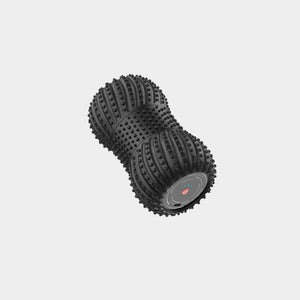
- Massage / myofascial release. 2–5 minutes per foot, once or twice a day. A golf ball or lacrosse ball under the arch. Eases local tension and improves short-term pain scores.
- Night splints. Keep the fascia in gentle dorsiflexion overnight so mornings are less catastrophic. About half of people find them useful, half find them unsleepable. Worth a 2-week trial.
- Kinesiology taping. Modest evidence [2]. Can buy 1–2 weeks of comfort during flare-ups. Not a long-term solution.
- Topical NSAIDs (diclofenac gel). Apply 3–4 times daily over the heel and arch. Reasonable evidence for short-term pain relief without the gastric risks of oral NSAIDs.
Systemic interventions (what you do to you)
- Oral NSAIDs — short courses only. 5–10 days of ibuprofen or naproxen as directed can calm a flare. Do not take them indefinitely; they have real gastric and cardiovascular risks on long-term use, and in the chronic phase they may even slow tissue healing.
- Mediterranean-style eating pattern. Olive oil, oily fish, nuts, legumes, vegetables, minimal ultra-processed food. Small but real effect on systemic inflammatory markers [3]. See our full role of diet in reducing inflammation.
- Omega-3 intake. 1–2g of combined EPA and DHA daily from oily fish or a quality supplement. Modest effect on inflammation; larger effect on triglycerides and cardiovascular risk.
- Sleep. 7–9 hours. Under-slept tissue is poorly-recovered tissue, and pain tolerance drops sharply after short nights. We have a dedicated piece on the connection between sleep and pain.
- Weight management. Every 1kg reduction in body weight takes roughly 4kg of force off the arch per step. If BMI is a contributing factor, small reductions have outsized effects on load.
- Alcohol reduction. Alcohol disrupts sleep, dehydrates connective tissue, and raises inflammatory markers. Cutting back for six weeks is one of the cheapest interventions here.
- Stress reduction. Cortisol is pro-inflammatory in chronic elevation. This is where the stack gets hand-wavy, but anything that reliably lowers your baseline stress — walking, breathing protocols, being outdoors — lowers inflammation too.
One of the underrated stack items: the surface your feet stand on at home. If you're barefoot on hard floors for hours every evening, the load on the already-irritated fascia adds up — even sitting down with relaxed feet. This is the problem arch-support insoles and cushioned recovery slides are actually designed to fix. They don't reduce inflammation directly; they reduce the re-provocation that keeps the inflammation going.
What to stop doing
Some things actively undermine the stack. The short list:
- Repeated corticosteroid injections. One can be appropriate in severe cases. Multiple raise the risk of fascia rupture and fat-pad atrophy, and are rarely needed.
- Running through it. The tissue does not adapt to pain. It adapts to load in the right amount. Run-through is usually extend-the-problem.
- Barefoot on hard floors for hours. Home is where most people undo their daytime shoe support.
- Chasing one miracle fix. There isn't one. There's a stack.
Run the stack. Measure across a month. Adjust if needed. If you're still stuck after eight weeks of consistent effort, that's the signal the pain is telling you something the stack can't answer, and it's time to see a clinician.
References
- Lemont H, Ammirati KM, Usen N. Plantar fasciitis: a degenerative process (fasciosis) without inflammation. J Am Podiatr Med Assoc, 2003.
- Tsai CT, Chang WD, Lee JP. Effects of short-term treatment with kinesiotaping for plantar fasciitis. J Musculoskelet Pain, 2010.
- Sureda A et al. Adherence to the Mediterranean diet and inflammatory markers. Nutrients, 2018.


